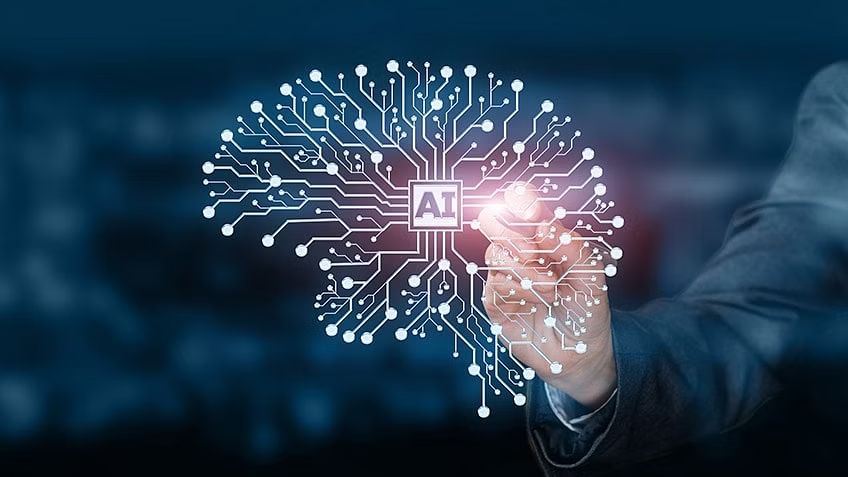
Artificial Intelligence (AI) is transforming industries across the globe, from healthcare and finance to manufacturing and retail. As organizations increasingly adopt AI-powered solutions, the need for efficient, scalable, and reliable workflows becomes more critical than ever. This is where ML Ops (Machine Learning Operations) using Artificial Intelligence steps in as a game-changer. ML Ops combines software engineering, data engineering, and machine learning to streamline the deployment, monitoring, and maintenance of AI models in production environments. With AI itself being integrated into ML Ops processes, organizations are achieving automation, faster iteration cycles, and improved accuracy—making ML Ops a cornerstone for the future of AI-driven applications.
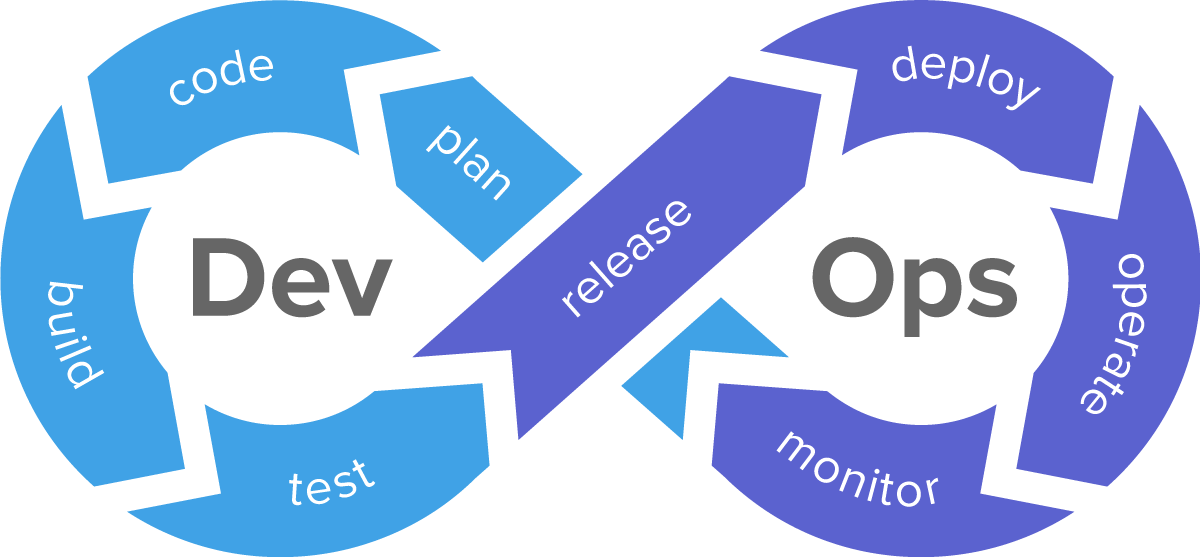
ML Ops refers to a set of practices, tools, and methodologies that aim to bring discipline and automation to machine learning lifecycle management. Similar to DevOps in software engineering, ML Ops focuses on continuous integration, delivery, testing, and monitoring—but tailored for data pipelines and machine learning models. It addresses common challenges such as model drift, version control, data governance, and reproducibility.
However, traditional ML Ops frameworks often struggle with the complexities of AI workflows. AI models require constant updates as new data flows in, retraining as patterns evolve, and validation to ensure ethical, unbiased, and robust predictions. This is where Artificial Intelligence plays a vital role in ML Ops, enabling smarter automation, anomaly detection, and performance optimization, thereby reducing manual intervention and human error.
One of the key reasons ML Ops using Artificial Intelligence is the future of AI-driven applications is automation. AI tools are increasingly embedded into ML Ops pipelines to automate repetitive and error-prone tasks such as:
By integrating AI into ML Ops workflows, organizations reduce the time required for model development and deployment, enabling faster experimentation and continuous improvement. For instance, AI-powered tools can automatically adjust models when data patterns change, eliminating downtime and improving prediction accuracy.
Enroll in our AI Online Training and build the skills to drive ML Ops-powered AI applications.
ML Ops using Artificial Intelligence also plays a crucial role in fostering collaboration between data scientists, engineers, and business stakeholders. AI models, by nature, are complex and often operate as “black boxes,” making it difficult to explain predictions to end users or regulators.
With AI-driven ML Ops platforms, explainability tools, performance dashboards, and audit trails are automated, helping teams understand model decisions and ensuring compliance with regulatory frameworks such as GDPR, HIPAA, and PCI DSS. This transparency builds trust in AI systems, which is critical in sensitive domains like healthcare, finance, and autonomous systems.
Furthermore, ML Ops frameworks powered by Artificial Intelligence streamline version control and experiment tracking, ensuring that teams work from a single source of truth. Continuous monitoring and real-time alerts ensure that issues are flagged early, reducing the risk of inaccurate predictions or faulty outcomes.
As organizations scale their AI initiatives, the complexity of data pipelines and models increases exponentially. Real-time analytics, edge computing, and IoT integrations require distributed architectures and advanced orchestration to manage the data flow efficiently.
ML Ops using Artificial Intelligence enables dynamic resource allocation, load balancing, and parallel processing to meet the demands of high-throughput environments. Automated pipelines powered by AI can adapt to changing workloads, prioritize data streams, and ensure that models are retrained on the most relevant datasets.
This scalability is essential for industries such as e-commerce, where customer behavior shifts rapidly, or in healthcare, where new research data constantly emerges. By leveraging AI-driven ML Ops, organizations ensure that their AI solutions remain agile, performant, and responsive to evolving business needs.
One of the most persistent challenges in deploying AI models is model drift—a phenomenon where the model's performance degrades over time as data patterns change. Traditional ML pipelines often rely on periodic reviews or manual retraining, which can delay the detection of errors and cause inaccurate predictions
AI-powered ML Ops platforms continuously monitor incoming data streams and model outputs, detecting deviations and triggering alerts or automated retraining processes. Using techniques such as reinforcement learning, self-supervised learning, and probabilistic modeling, these systems identify the causes of drift and adapt models accordingly.
Additionally, ensuring data quality is vital in AI applications, as biased or corrupted data can compromise model integrity. AI-driven data validation frameworks within ML Ops automatically detect anomalies, impute missing values, and ensure that data pipelines conform to expected distributions, saving valuable time and resources.
As AI becomes more embedded in decision-making processes, ethical considerations and regulatory compliance are top priorities. ML Ops platforms powered by Artificial Intelligence integrate governance tools to monitor bias, fairness, and data privacy.
For example, AI algorithms can automatically detect patterns that might indicate bias in datasets, allowing data teams to mitigate risks before deploying models into production. Similarly, compliance reports are auto-generated, providing transparency into how data is processed, stored, and used.
In sectors such as finance and healthcare, where regulatory violations can have significant legal and reputational repercussions, AI-enhanced ML Ops solutions are helping organizations build ethical, responsible, and auditable AI systems without slowing down innovation.
Several industries are already leveraging ML Ops with Artificial Intelligence to achieve tangible results:
These examples highlight how integrating AI into ML Ops pipelines improves efficiency, accuracy, and reliability across mission-critical applications.
ML Ops using Artificial Intelligence represents a paradigm shift in how AI-driven applications are built, deployed, and maintained. The integration of AI into ML workflows automates labor-intensive processes, enhances scalability, and improves model reliability. Organizations benefit from faster deployment cycles, better collaboration, and increased trust in AI systems.
As AI continues to permeate every industry, ML Ops frameworks powered by Artificial Intelligence will be essential for managing the growing complexity, ensuring regulatory compliance, and addressing challenges like model drift and data bias. For organizations aiming to harness the full potential of AI, embracing AI-enhanced ML Ops is not just an option—it’s the future.
To fully leverage the benefits of ML Ops using Artificial Intelligence, professionals need structured learning pathways that cover both technical skills and industry best practices. Artificial Intelligence Online Training, AI Online Training, and specialized AI Courses offer deep dives into AI algorithms, deployment strategies, and automation frameworks essential for ML Ops success. These courses equip data scientists, engineers, and analysts with the tools to design, implement, and monitor secure and efficient AI-driven workflows. For those looking to build expertise and stay ahead in this evolving field, Edissy’s online programs provide comprehensive learning solutions tailored for today’s AI challenges.
By enrolling in Artificial Intelligence Online Training, AI Online Training, or advanced AI Courses, learners can stay updated with cutting-edge technologies and methodologies powering ML Ops. Edissy (Online) ensures hands-on experience, expert guidance, and real-world projects that help professionals become proficient in ML Ops and AI-powered applications.



© Copyright 2023-24 EDISSY Solutions Private Limited | All Rights Reserved


 IND : +91-9000317955 IND : +91-9000271955